
Our History
ARTISTIC DIRECTORS
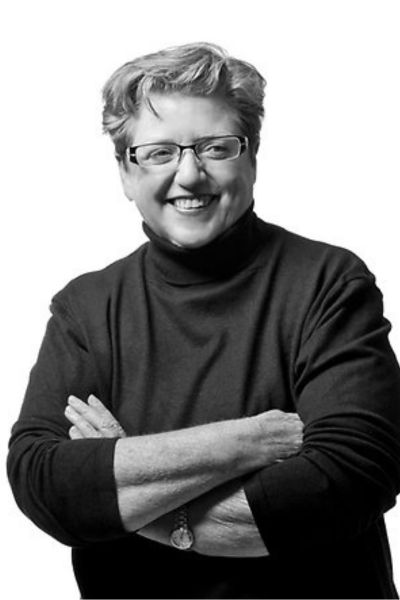
Robyn Archer AO
2001, 2003, 2005
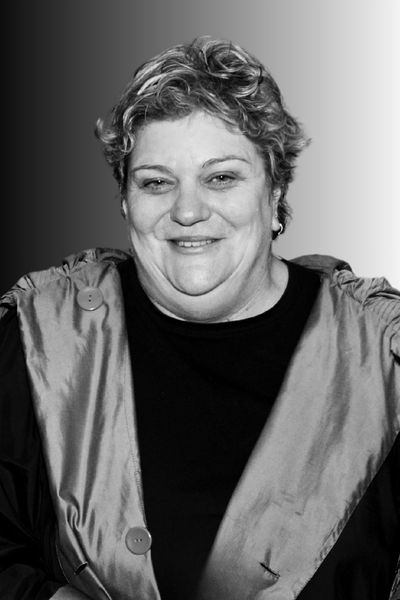
Elizabeth Walsh
2007, 2009, 2011
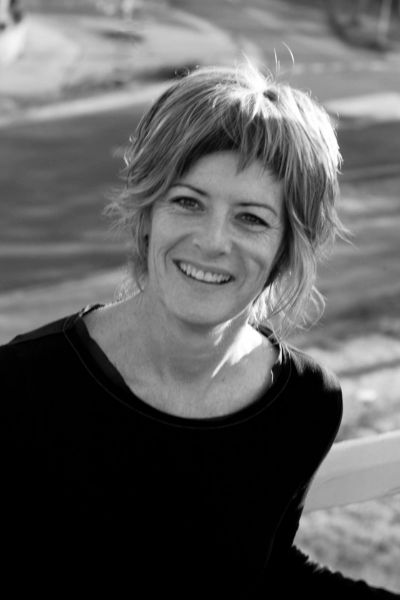
Jo Duffy
2013
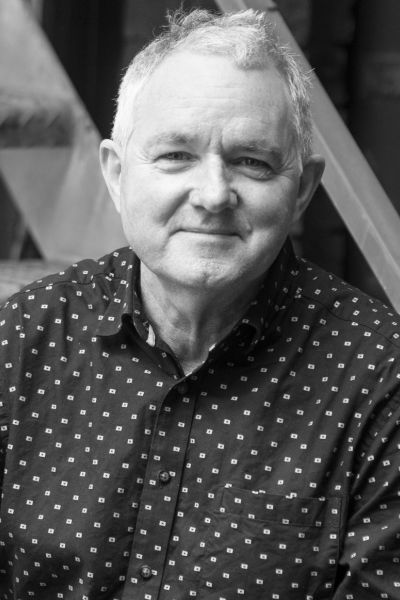
David Malacari
2015, 2017
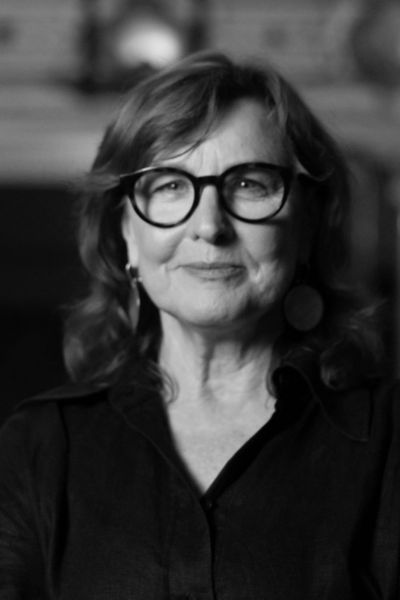
Dr Lindy Hume AM
2019, 2021, 2023
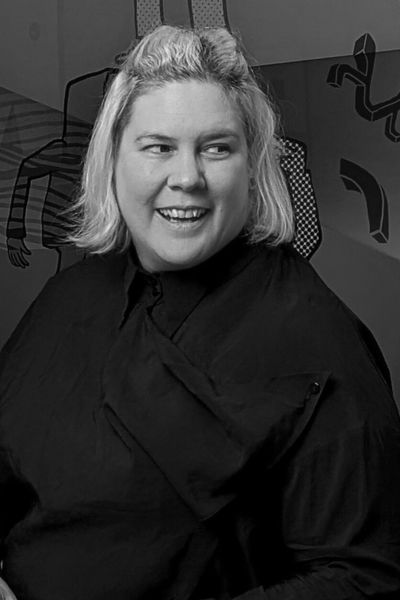
Marnie Karmelita
2025, 2027
THE FESTIVALS
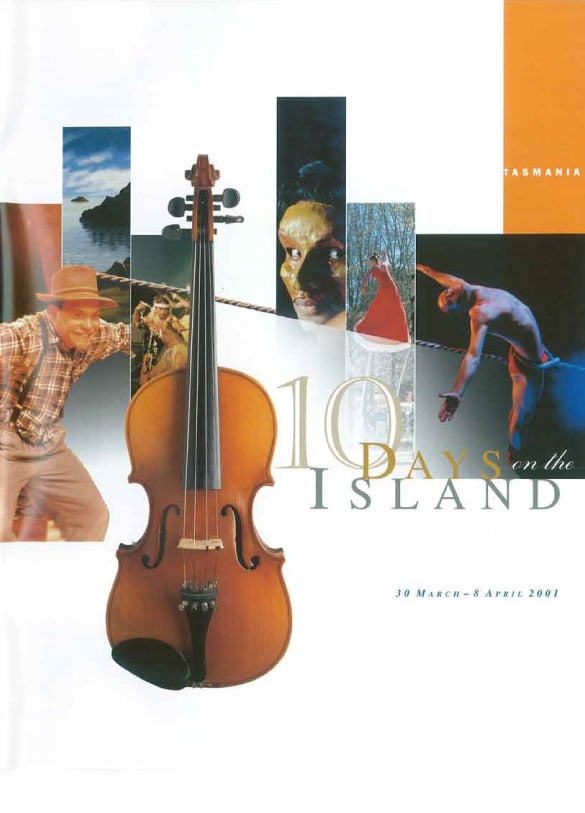
Artistic Director: Robyn Archer AO
The first festival opened in March 2001 with the whole island as its stage. Jim Bacon and Robyn Archer’s founding concept was at once simple and unprecedented in Australian arts: an exchange between island cultures, bringing artists from islands around the world to share their stories alongside Tasmanian voices. Archer curated the inaugural Ten Days with the confidence of someone who had run the southern hemisphere’s largest arts festival, pairing local content with high-level international artists at a scale Tasmania had never seen. She staged Circus Oz in Campbell Town, halfway between Nipaluna/Hobart and Launceston. People drove from both directions, and from the east and west.
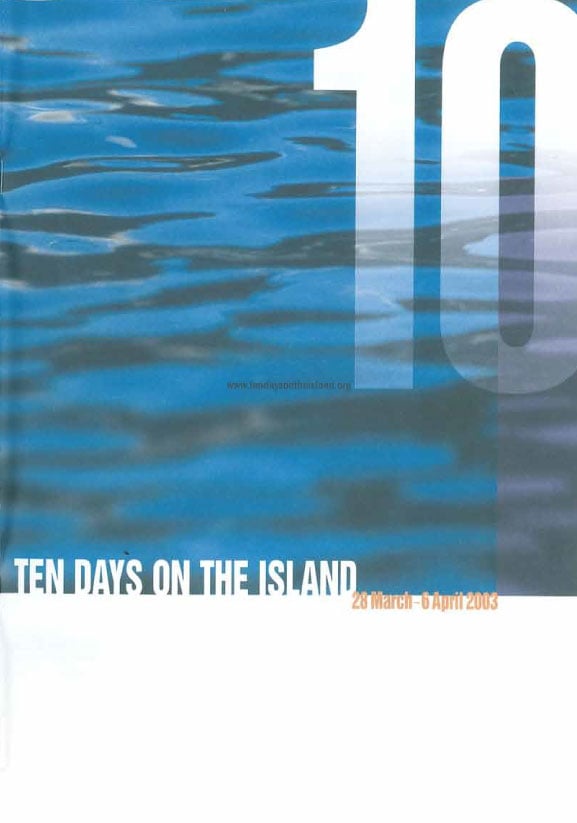
Artistic Director: Robyn Archer AO
The second Festival deepened the island exchange and pushed further into the state’s regions. It was a festival of extraordinary range: from the world premiere of Tesla: Lightning in His Hand, a new opera by Hobart-based composer Con Koukias and his company IHOS, staged in Princes Wharf No. 1 Shed with a 50-strong male choir, thousands of light bulbs, live Tesla coils and a children’s choir, to Jane Deeth’s HWY1 project, which invited artists to make installations at five staging posts along the Midlands Highway between Nipaluna/Hobart and Launceston.
The 2003 festival also saw a cultural fault line emerge. A number of prominent artists and writers boycotted the festival over its sponsorship relationship with Forestry Tasmania, organising a parallel event called Future Perfect in North Hobart. The wounds cut deep in a small community. But the parallel event itself, held in shop windows, pubs and galleries, drew more people into the festival orbit than might otherwise have attended. The story of Ten Days has never been without complexity.
Artistic Director: Robyn Archer AO
Robyn Archer’s third and final festival as Artistic Director drew more than 100,000 people to events across 82 venues. The Pacific Crystal Palace, which had been such a success on Parliament House Lawns in 2003, returned at Princes Wharf, hosting a larger programme of events from Pacific Island artists.
Archer later named the Fiddlers’ Bid from the Shetland Islands, performing in Launceston’s Albert Hall, as one of her most treasured festival memories. Later that week, they jammed spontaneously in a Launceston pub with the Tang Quartet from Singapore. Entirely unplanned. That, Archer said, is what the festival is.
Artistic Director: Elizabeth Walsh
Elizabeth Walsh, who had worked as Executive Producer alongside Robyn Archer since the Festival’s beginning, stepped up as Artistic Director and immediately expanded the Festival’s geographic ambition. Events were staged across 50 towns in all 29 of Tasmania’s local government areas: an achievement without precedent in the Festival’s history.
Tasdance presented Mercy: a dance for the forgotten, an international co-commission with New Zealand choreographer Raewyn Hill exploring imprisonment and death through Tasmania’s convict heritage. At Cygnet, an installation called Hut Culture reconstructed an apple pickers’ village. In Moonah, The Knitting Room, a four-year community arts project turning memories of the 1950s into knitted objects made from scrap wool, drew a community into the festival that might never otherwise have felt it was for them.
Artistic Director: Elizabeth Walsh
Ten Days on the Island drew record crowds across its ten days. Junk Theory, produced by Tasmania’s Big hART, saw a traditional Chinese junk drift past waterfront communities from Constitution Dock to George Town, her decks filled with moving imagery and soundscape. Ross Bolleter’s Ruined sent Tasmanians on a statewide quest to find their abandoned pianos, which were installed at the Bond Store at TMAG in a unique take on the social history of music in Tasmania.
Sir Guy Green, now in his fifth year as Chair, presided over a festival that had embedded itself completely into Tasmanian life. From Iceland and England came Metamorphosis, a gravity-defying physical theatre adaptation of Kafka with an original soundtrack by Nick Cave and Warren Ellis, presented at the Theatre Royal. The island exchange had never felt more alive.
Artistic Director: Elizabeth Walsh
Elizabeth Walsh’s eleventh and final year with Ten Days on the Island produced the most ambitious program in the Festival’s first decade. More than 450 international and Tasmanian artists performed at 232 free and ticketed events across 62 communities. Power Plant, a five-star hit from the Edinburgh Festival Fringe, transformed the Royal Tasmanian Botanical Gardens into a nocturnal world of kinetic sculptures, neon light and sound. At Port Arthur, Ringing the Changes saw Strange Fruit performers swaying atop five-metre poles among tuned bells. The Youth Theatre Island Exchange Project brought together young ensembles from Tasmania and Newfoundland to create new work reflecting their shared sense of island life.
She left with the festival at its most expansive, having shaped it across eleven years and three editions.
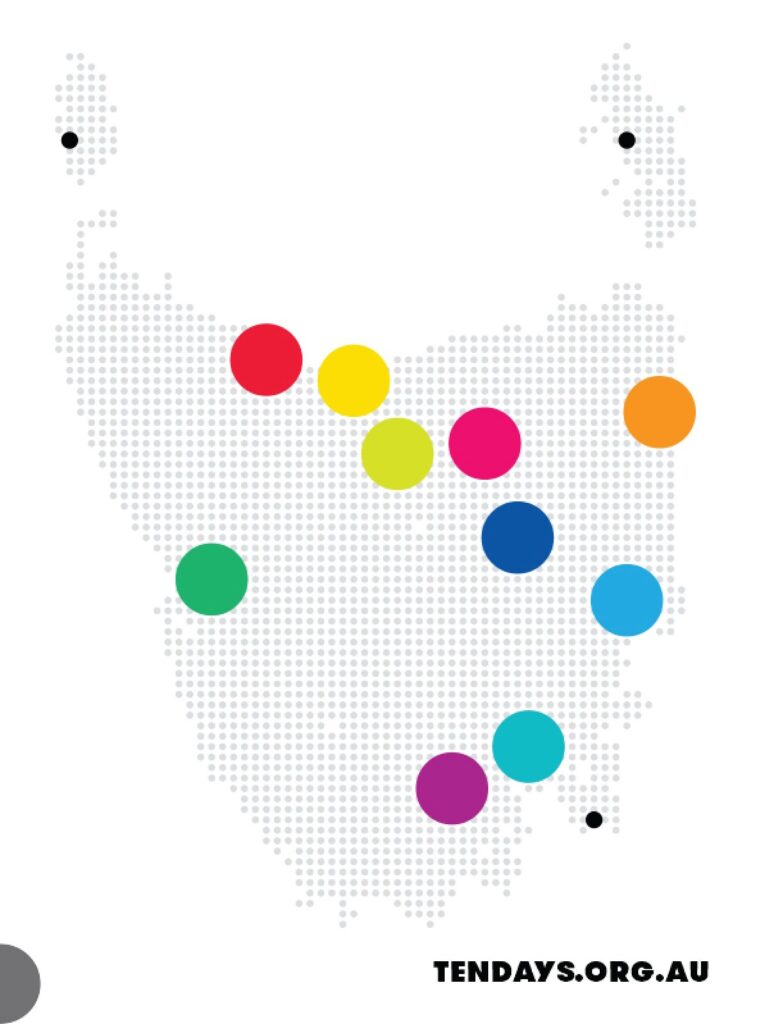
Artistic Director: Jo Duffy
Jo Duffy arrived with a structural reimagining: instead of spreading events thinly across the state, she concentrated them into ten dedicated Festival Towns, each hosting its own intensive mini-festival with Supper Clubs where audiences could meet artists over dinner. The towns were Nipaluna/Hobart, Launceston, Pataway/Burnie, Huonville, Swansea, St Helens, Campbell Town, Deloraine, Devonport and Queenstown, with one-off events on King Island, Flinders Island and at Port Arthur.
Circa kicked proceedings off with a sprint through twelve locations in nine days. Dame Kiri Te Kanawa performed in Burnie, Launceston and Hobart. New York’s Elevator Repair Service brought The Select. London’s Ockham’s Razor performed aerial theatre. A new Beyond Ten Days program of masterclasses, mentorships and behind-the-scenes events saw visiting artists working alongside local communities well beyond the Festival’s ten days.
Artistic Director: David Malacari
Festival name: Tasmanian International Arts Festival
In September 2014, the organisation announced a significant change: the 2015 event would be called the Tasmanian International Arts Festival. The island exchange concept that had defined the Festival’s first decade was retired in favour of a broader international programming mandate. Tasmanian artist Justus Neumann toured Alzheimer Symphony from Bruny Island to Swansea. Bolivia’s Teatro de los Andes brought a raw three-actor Hamlet to the Theatre Royal. Hidden Cities armed audiences with smartphones for an interactive walk through Nipaluna/Hobart’s hidden stories.
It was a festival in transition, testing new ground under a new name.
Artistic Director: David Malacari
Under CEO Jane Haley, the Festival reclaimed its original name, and the 2017 program offered unusual geographic ambition, with events stretching from Flinders Island to Tullah in the far west, Zeehan, Strahan, Pataway/Burnie, Launceston and Nipaluna/Hobart. Volker Gerling’s Portraits in Motion offered a quietly astonishing flip-book performance on Flinders Island unlike anything else on tour. The visual arts project Sites of Love and Neglect connected nine towns across the state. The Xiamen Philharmonic Orchestra brought a rarely heard voice to the program. Acoustic Life of Sheds found its audience in the places where the Festival had always been most itself: small halls and unexpected spaces.
The organisation relocated its headquarters from Nipaluna/Hobart to Pataway/Burnie, aligning its base with its regional ambitions.
Artistic Director: Dr Lindy Hume AM
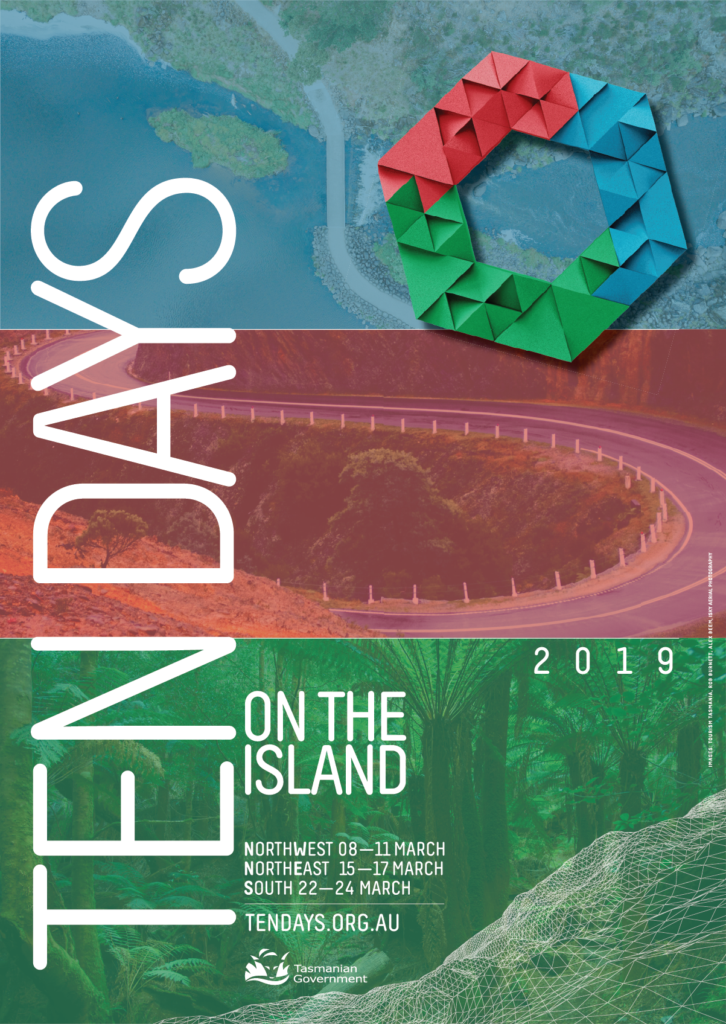
Lindy Hume called it radical regionalism. The 2019 Festival restructured entirely, abandoning a single continuous ten-day programme in favour of three weekends across three regional heartlands: North-West and West, North and North-East, and South. Each region received its own weekend of programming tailored to its communities, venues and stories. Nipaluna/Hobart was no longer the centre of gravity. The whole island was.
The first mapali, Dawn Gathering on the beach in Devonport, opened the festival before sunrise. Created and directed by trawlwoolway artist David mangenner Gough, it wove together First Nations cultural practice, community performance and the particular quality of a Tasmanian dawn into something that had never existed before. In Burnie, the festival’s new home, Lisa Reihana’s In Pursuit of Venus [infected], a vast panoramic video reimagining colonial encounters with Pacific peoples, transformed the old APPM paper mill into a contemporary art space. Shorewell Park, a suburb more often defined by its challenges than its strengths, became a site of genuine creative collaboration, its community’s stories finally given the stage they deserved in Shorewell Presents.
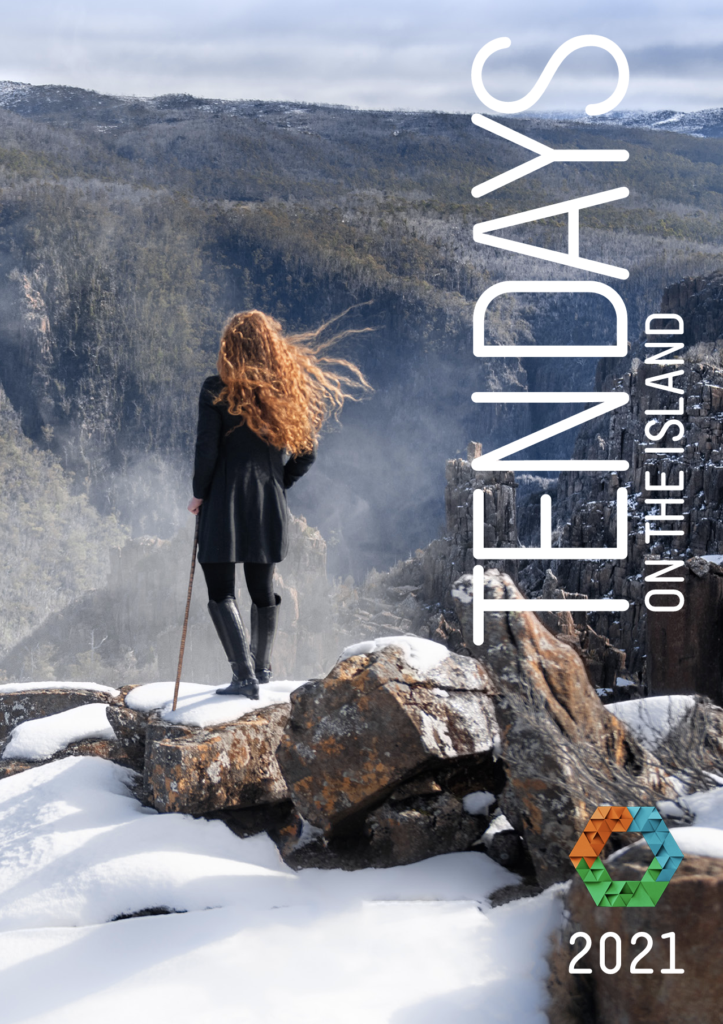
Artistic Director: Dr Lindy Hume AM
The pandemic closed Australia’s borders and cancelled touring productions. Ten Days on the Island, one of only a handful of Australian festivals to present a full programme in 2021, responded by looking to home. The Festival became almost entirely a showcase of Tasmanian artists, presenting work across fifteen locations statewide and discovering, and in the constraint, the island’s own artists filled the programme with work that was rooted, genuine and unmistakably here.
Robyn Archer AO, the Festival’s founding Artistic Director, returned to perform Mother Archer’s Cabaret for Dark Times at Hobart’s Odeon. mapali returned with more than 200 performers: First Nations elders, visual artists, community groups and four North West schools came together on Pataway/Burnie foreshore at dawn before an audience of 1,000 people (which was the maximum allowed to gather at this time). The signature series If These Halls Could Talk brought artists into ten community halls around the island, from the Gaiety Theatre in Zeehan to Glen Huon, Rowella, Scottsdale and Ross. The Festival marked its twentieth year in a world that had irrevocably changed, and with it, the way audiences experienced and valued live culture.
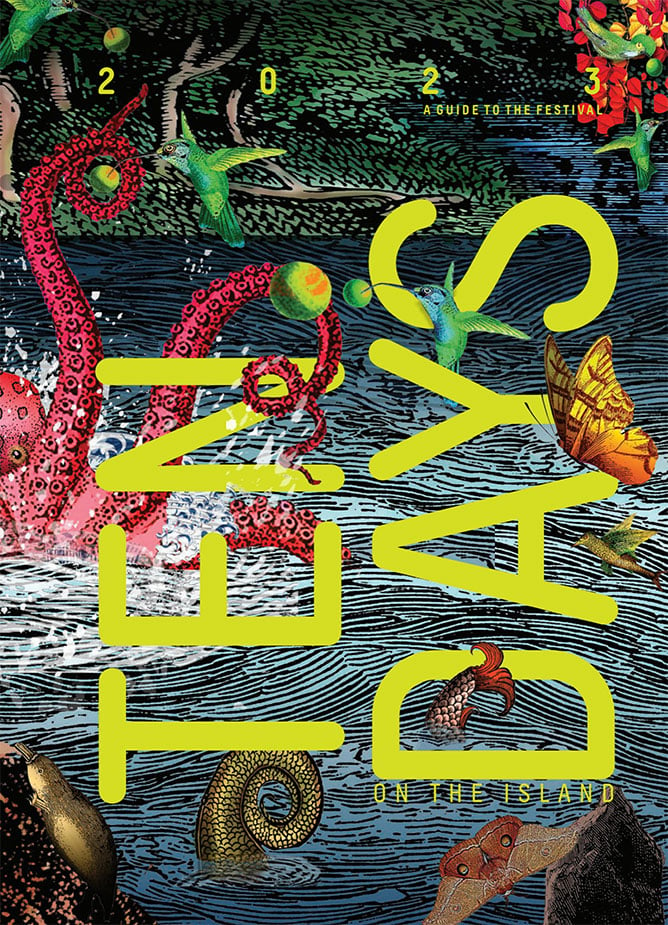
Artistic Director: Dr Lindy Hume AM
With international travel restored, the 2023 Festival welcomed the world back alongside the Tasmanian talent that had carried 2021 so beautifully. Vernon Guest, Executive Producer since 2018, stepped up as CEO. It was back to ten consecutive days. Hume’s concept of radical optimism guided both the programme and its visual identity, which was entrusted to Hobart-based artist Milan Milojevic. His whimsical, densely imagined key artwork, a sea full of Tasmanian creatures and flora rendered in the tradition of printmaking but animated for the digital age, became one of the most distinctive visual identities in the festival’s history.
Te Wheke-a-Muturangi (The Adversary), a giant inflatable octopus by Lisa Reihana, was meant to be the Festival’s spectacular opening moment, but strong winds delayed the inflation by two days, but when she arrived, she certainly drew a crowd. Archipelago Productions presented Women of Troy, weaving poetry by Iranian-Kurdish refugee Behrouz Boochani into Euripides’ text, performed by a chorus of Tasmanian women and girls. The world-renowned Kronos Quartet played at the Federation Concert Hall. From Wales, Qwerin danced across the island bringing a joyful collision of quirky folk and pure delight. A mapali Sunset Gathering was held on the river bank in Devonport to mark the end of an extraordinary Festival.
It was Lindy Hume’s third and final Festival as Artistic Director. From radical regionalism to a pandemic year to welcoming the world back, her three Festivals had each demanded something entirely different, and she had delivered every time.

Artistic Director: Marnie Karmelita
Marnie Karmelita’s first Festival ran from 20 to 30 March 2025 with creation stories in the south, flight through the north, and a love letter to the north-west. It opened with a free event at Moonah Arts Centre.
In Pataway/Burnie, Caleb Nichols-Mansell’s Love Letter to Pataway sat above UTAS Cradle Coast Campus for the whole festival. Hannah Moloney’s Time Rebel travelled the island, playing the Theatre Royal, The Ark in Launceston and Burnie Arts. The Samoan Cultural Collective showed SA/MOA at Moonah Arts Centre for a fortnight. Forced Entertainment brought Table Top Shakespeare to the Ian Potter Recital Hall, and Terrapin performed Goldfish in the Theatre Royal Studio.
Atamira Dance Company’s TOMO VR shared a bill with takila milaythina-ti by Dave mangenner Gough and Darryl Rogers, at The Hedberg and again at the Hive in Ulverstone. At Piyura Kitina/Risdon Cove, Nunami Sculthorpe-Green presented lakapawa lakaratu: centring seasonality. In Civic Square, Launceston, Ian Pidd’s Swing and Tasdance’s Beacon ran free over four days. The Dreamgirls Art Collective from Aotearoa New Zealand installed Taniwha Time Machine on the Bellerive Boardwalk.
Work reached thirteen towns, from Franklin in the south to Rowella and Gowrie Park in the north.